
You've Already Seen Kabbalah's Tree of Life

You have already seen Kabbalah. You just didn't know what you were looking at.
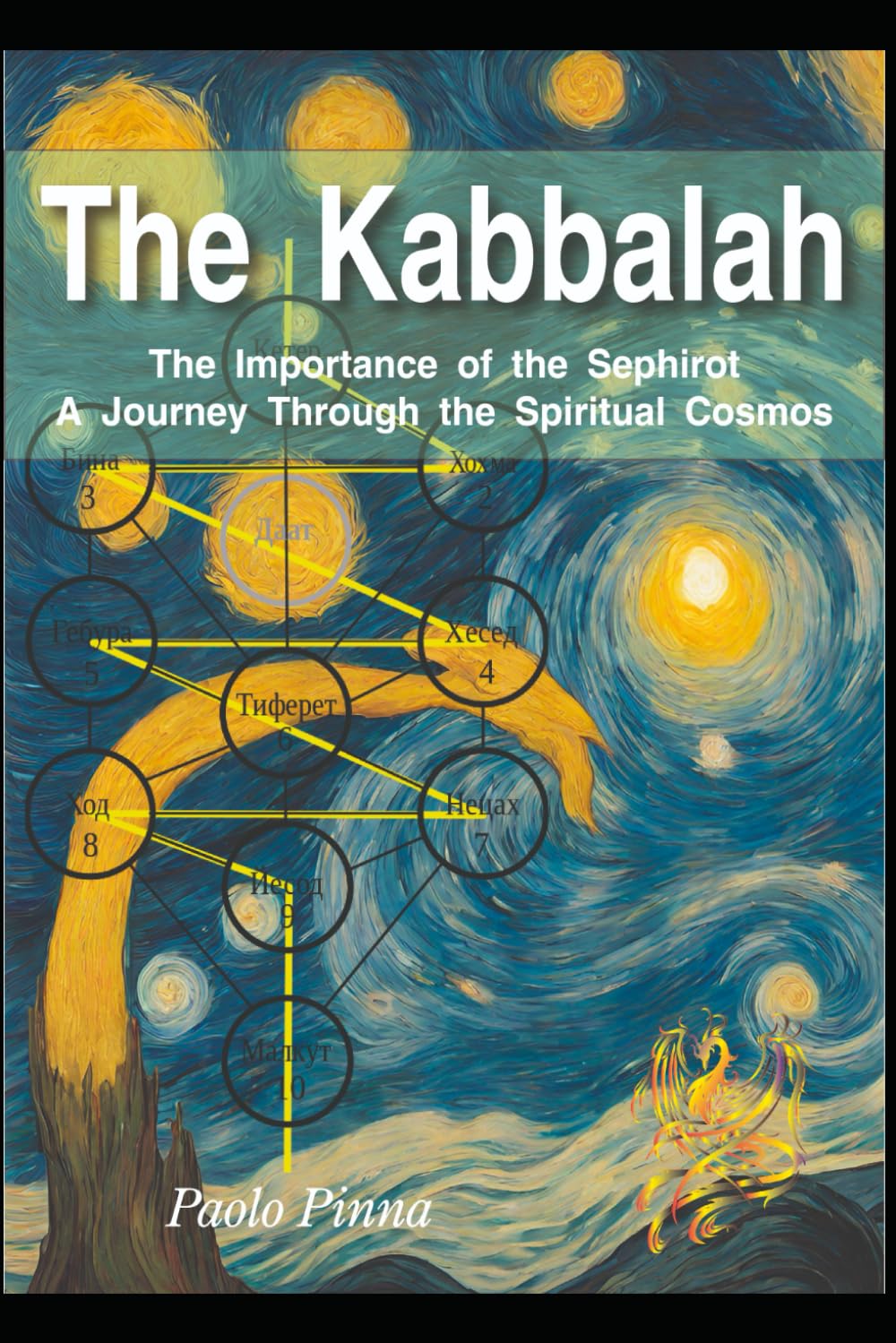
Ten circles joined by twenty-two lines. It turns up in anime, in video games, on album art, in the back pages of tarot decks. The Major Arcana has twenty-two cards for a reason, and the reason is eight hundred years old, written in Hebrew, and has almost nothing to do with fortune telling.
This book is about the original.
There is no shortage of Kabbalah books in English. The trouble is sorting them. One shelf gives you the Hermetic Order of the Golden Dawn and ceremonial magic. Another warns you away from the whole thing on theological grounds. A third sells you a bracelet. A fourth is a work of serious scholarship written for people who already read Aramaic. What is missing is the plain middle: a book that simply explains what these ideas are, where they came from, and how much weight each one can bear.
That is what this is. Thirty chapters, written by a layman for laypeople, on the questions Kabbalists spent centuries arguing about. Why would a complete God make anything at all? If the world came from God, why is it broken? And what, specifically, am I here to do about it?
The answers are stranger and better than the merchandise suggests. God is said to have made room for creation by withdrawing, not expanding. The vessels meant to hold the divine light shattered, and the sparks fell. Somewhere in front of you there is a fragment that will not return to its place unless you are the one who puts it back.
What sets this book apart is its refusal to flatten the evidence. Every claim is labeled: this is in the primary texts, this is disputed among schools, this was invented in nineteenth-century Paris, this was invented in a Los Angeles gift shop. The red string, the blessed water, the seventy-two names sold as a card deck: all of it is examined, and none of it is defended.
It is also, as far as I know, the only book in English that reads Kabbalah alongside East Asian thought. Ein Sof beside the Dao. Tzimtzum beside taiji dividing into yin and yang. The ten Sefirot beside the Five Phases. Gilgul beside karma. Each chapter closes with a short comparison, and one full chapter is devoted to where the two traditions genuinely rhyme and where the resemblance falls apart. No prior knowledge of either tradition is assumed.
Inside you will find the primary sources (Sefer Yetzirah, the Zohar, the Lurianic corpus) explained without jargon; the ten Sefirot and the twenty-two paths mapped out; gematria and the letter techniques demonstrated step by step so you can follow the arithmetic yourself; the documented history of how Jewish mysticism became a Hollywood accessory; and a practical chapter that walks the Tree of Life as a ten-question audit of your own life.
You will not be told what to believe. You will be told what is known, what is argued, and what is being sold, and left to decide.
VoxFati participates in various affiliate programs. When you click on links to different merchants on this site and take certain actions, such as making a purchase or signing up for a service, it may result in us earning a commission.




Comments
Comments appear after approval.
Log in to comment