
The Zen of Ten: Wrestling with the Dweller on the Threshold

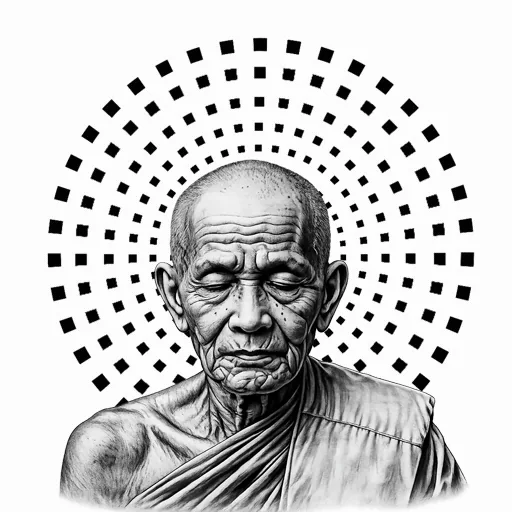
What if the Ten Commandments were not only laws given to humanity, but lessons the lawgiver himself must eventually undergo?
The Zen of Ten: Wrestling with the Dweller on the Threshold presents a radical philosophical reading of scripture, consciousness, and the Hero’s Journey. Drawing together themes developed across twenty-one previous books, Stephen T. McClard treats the Ten Commandments as ten stages of spiritual development, placing them beside the Ten Worlds of Buddhist tradition and a broader Heterolexical framework of symbolism, comparative religion, dimensional structure, and First Cause.
At the center of the book is a difficult question: what happens when the Lord who gives the law must also learn the lesson contained within it? Hebrews speaks of the Son learning obedience through suffering, while Romans describes creation as enclosed in disobedience so that mercy may finally reach all. From this tension emerges a new interpretation of salvation—not merely as rescue from punishment, but as the restoration of ruler and ruled alike into proper relationship with the Absolute.
Each command becomes a threshold. Idolatry reveals the mistake of confusing the relative with the Absolute. The Sabbath becomes cessation. Murder uncovers the failure of mercy. Theft ends in possession without stewardship. False witness produces distortion in another being. Coveting becomes the final fire beneath grasping, pride, comparison, and the desire to occupy a throne that was never ours to possess.
The apparent ruler gradually becomes the Dweller on the Threshold, then the Pedagogue, and finally a reflection of the same lower lordship operating within every human being. The struggle is not between belief and unbelief, but between image and Origin. The law begins outside the person, but its completion must become inward nature.
The Zen of Ten is not an argument for nihilism, nor a rejection of the Lord. It is an attempt to distinguish First Cause from every secondary cause and to ask whether any throne, doctrine, mediator, or religious structure can withstand the deeper tests of Unity, Love, Truth, and Wisdom.
The journey ends where it began: not with another doctrine to defend, but with the recognition that what is deepest in us was never separate from the Source from which all things arise. And finally, we discover who the Lord was all along, which may be the most revealing aspect of this book.
VoxFati participates in various affiliate programs. When you click on links to different merchants on this site and take certain actions, such as making a purchase or signing up for a service, it may result in us earning a commission.




Comments
Comments appear after approval.
Log in to comment