
The Zen Illusion: The Buddhism the West Imagined, and the Buddhism Japan Still Practices

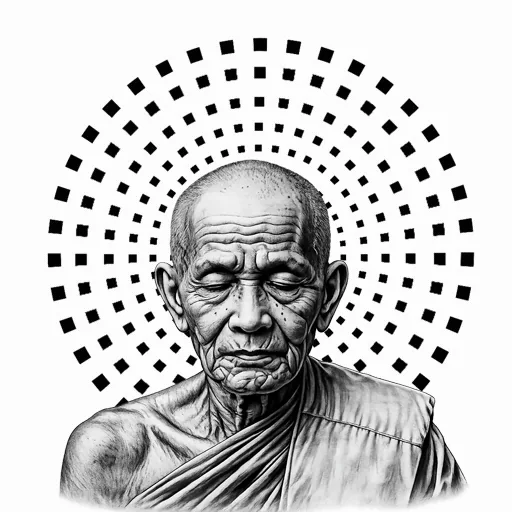
Everyone already knows what Zen is. That's exactly the problem.
Ten-minute meditation apps. "Zen and the Art of Productivity." A wellness industry built on the promise of a calmer mind. Almost none of it resembles what actually happens inside a Japanese Zen monastery.
The Zen Illusion is a short, well-sourced work of narrative nonfiction that traces how two very different things came to share one word. Drawing on religious studies scholarship, it follows the strange, contested history of how "Zen" crossed the Pacific — and what got lost, added, and quietly rewritten along the way.
Inside this book:
・How the Zen that reached the West was already a modern reconstruction, built by a 19th-century Japanese reform movement (religious historian Robert Sharf)
・How Alan Watts, Jack Kerouac, and the Beat Generation turned a monastic discipline into countercultural cool — and the backlash that followed
・How Jon Kabat-Zinn's MBSR program and a wave of neuroscience research rebranded Zen as a clinical technique (David McMahan's theory of "Buddhist modernism")
・Why management professor Ronald Purser calls the wellness industry's version "McMindfulness" — and what critics say he gets wrong
・What Dōgen's "just sitting" actually means inside a working Sōtō monastery, according to scholar T. Griffith Foulk
・The uncomfortable history of Zen and Japanese wartime nationalism — and the unresolved scholarly dispute over D.T. Suzuki himself
This is not a self-help book, and it makes no promises about your cortisol levels. It's for readers who have already tried the ten-minute version, and suspect there's a harder, more interesting question underneath it.
VoxFati participates in various affiliate programs. When you click on links to different merchants on this site and take certain actions, such as making a purchase or signing up for a service, it may result in us earning a commission.


Comments
Comments appear after approval.
Log in to comment