
Korean Zen for Beginners: A Practical Guide to Seon Meditation from Korea's Mountain Temples

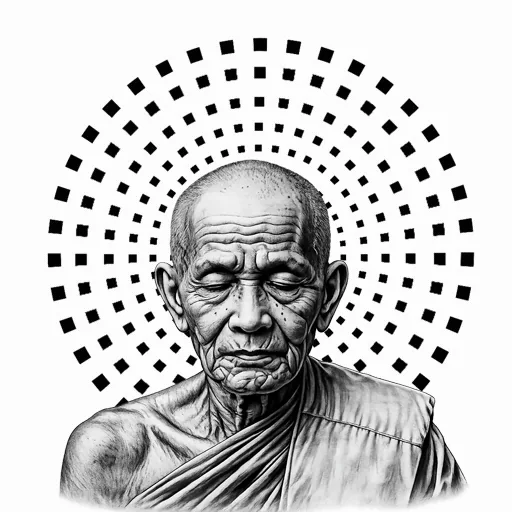
The word you already know is Japanese.
Zen reached English through Japan. But the same tradition took a second road north, into Korea, where it became Seon — and grew into something different enough that almost none of it has reached Western readers.
Korean Seon will not ask you to watch your breath forever, and it will not ask you to repeat a word until your mind goes quiet. It hands you one question that cannot be answered — What is this? — and asks you to carry it.
This is a complete beginner's guide to that practice. What it is, where it came from, and exactly how to do it.
What you will learn
How to sit — posture, breath, and why Korean practice keeps the eyes open
How to work a hwadu — the question at the centre of Korean Zen, taught step by step, including what changes over months and how to practise it safely alone
108 bows — the practice that works on the days sitting will not
Chanting, walking, and the four-bowl meal where nothing is left behind
What to do when the mind won't sit — sleep, pain, boredom, anger, and the long flat months
A full day in a mountain temple, hour by hour from the four a.m. drum — and how to run a smaller version in a city apartment
A thirty-day programme, laid out one day at a time, and the weekly rhythm that follows it
The teachers behind it
You will meet Jinul, who taught that awakening is sudden and cultivation is gradual — so a difficult month is never a setback. Seosan, who compressed the whole path into a short book and then raised an army at seventy-two. Seung Sahn, who arrived in America in 1972 and taught for thirty years with three words: only don't know.
And you will find out why every Korean temple sits halfway up a mountain — a story involving five hundred years of a religion being administratively thrown out of its own country, going up the hill, and continuing to sit.
Written plainly
No mysticism. No promises of calm on a schedule. No pretending this is easy.
The author is not a monk and does not claim to be one. What this book does is carry the instructions of Korea's Seon masters into language you can follow at six in the morning, in the corner of a room, with your eyes open.
You do not need to become a Buddhist. You do not need to believe anything.
You need ten minutes and a wall.
VoxFati participates in various affiliate programs. When you click on links to different merchants on this site and take certain actions, such as making a purchase or signing up for a service, it may result in us earning a commission.


Comments
Comments appear after approval.
Log in to comment