
Korean Shamanism: Shaman, Ritual and Culture (Korean Culture)

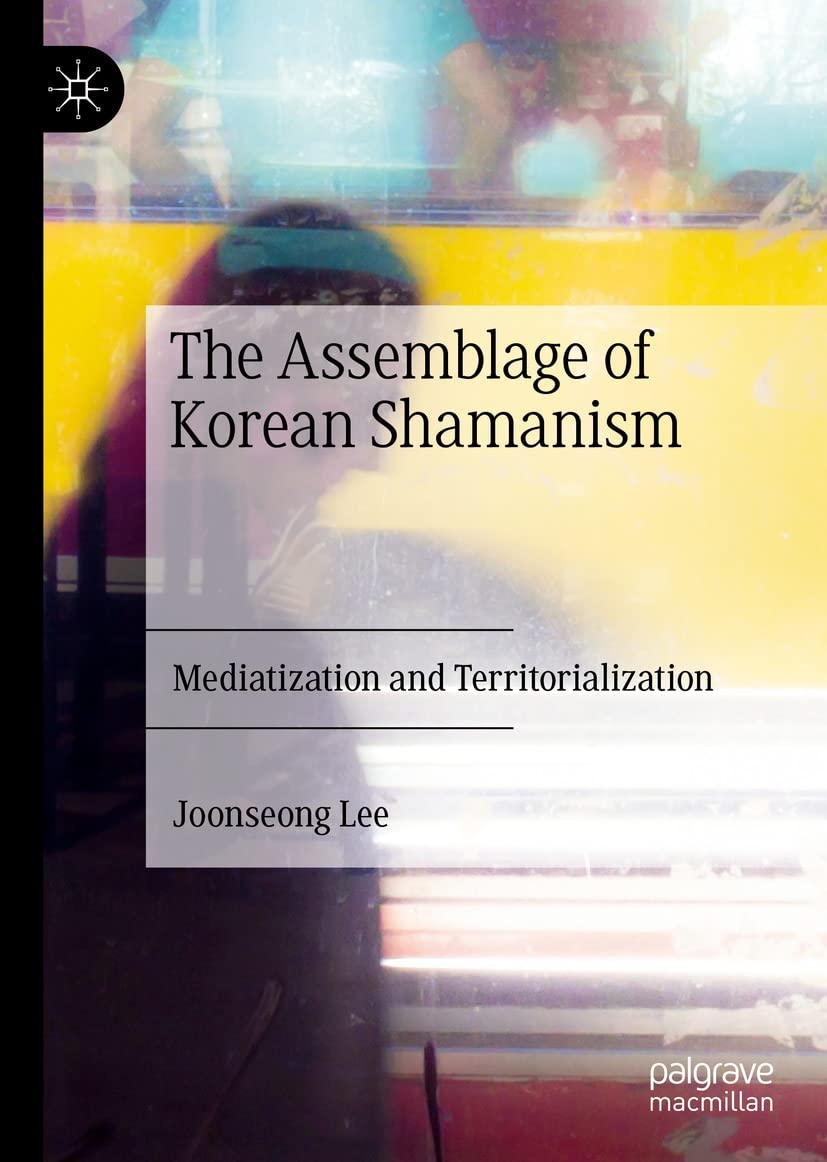
The book is composed of five parts. The first part introduces Korean shamanism and the role of the shaman, focusing on three outstanding practitioners: Kim Geum-hwa, Kim Seok-chul, and Park Byeong-cheon. The second part examines the processes of integration between shamanism and other religions, including Buddhism, Daoism, and Christianity. The third part discusses the presence of shamanism in Korean arts, including literature, film, theater, painting, folk dance, pansori, contemporary dance, K-pop, and K-drama. The fourth part investigates how foreign visitors in the nineteenth century perceived Korean shamanism, drawing on the writings and illustrations of figures such as the Swedish journalist Asson Grebst, Frandin (who witnessed rituals in Hwanghae Province), Isabella Bird Bishop (who traveled widely across Korea), the missionary Hulbert, and the British artist Elizabeth Keith and her sister. The final part offers a concise historical overview of Korean shamanism—from the mythic age of Dangun Joseon, through the Three Kingdoms period when Buddhism was adopted, to the Goryeo period marked by the integration of Buddhism and shamanism. During the Joseon dynasty, despite state policies that suppressed and prohibited shamanism under Neo-Confucian ideology, both common people and even kings and queens sought out shamans and performed rituals in times of difficulty.
VoxFati participates in various affiliate programs. When you click on links to different merchants on this site and take certain actions, such as making a purchase or signing up for a service, it may result in us earning a commission.




Comments
Comments appear after approval.
Log in to comment