
Dovetailing Features of Zen Buddhism, Levinas’s Phenomenology, and Metamodernism (Post-Postmodernism)

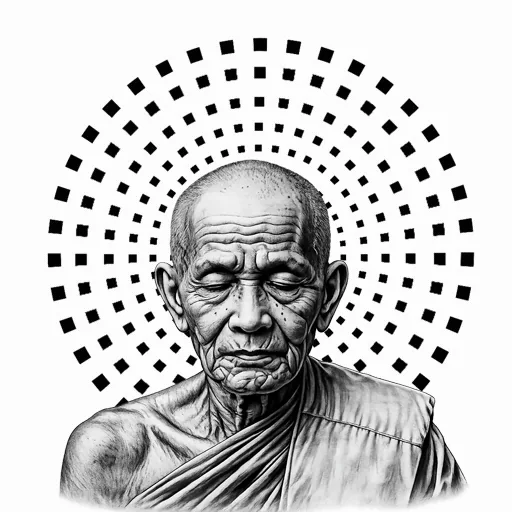
There are three phenomenological voices I hear – phenomenology being the study of “appearances,” and according to the Stanford Encyclopedia of Philosophy, it is the “study of structures of consciousness as experienced from the first-person point of view.” Herein are the voices I hear: 1) Zen Buddhism's most fundamental notion of sunyata – emptiness, nothing – but not the Westernized notion of nihilistic nothingness; 2) Emmanuel Levinas's 'face' of the Other, the Infinite; and 3) Metamodernism's voice of a post-postmodern (or, post-post-modern) spirit that acts to repair the popularized, nihilistic misappropriation of postmodernism; thus, metamodernism hopes to retrieve and restore human authenticity and sincerity.
The author's hope is to convey – as precisely as possible – the vital philosophical and spiritual importance of listening to these three phenomenological voices, as they dovetail nicely into a singular message of restoring human authenticity and sincerity, without falling off the deep end of nihilism or an extremely darkened cynical sarcasm towards life.
VoxFati participates in various affiliate programs. When you click on links to different merchants on this site and take certain actions, such as making a purchase or signing up for a service, it may result in us earning a commission.


Comments
Comments appear after approval.
Log in to comment